
Not a bedroom experiment
I didn't arrive at this from nowhere. I'd built a serious system in a proper room — a pair of highly regarded reference floorstanders, driven by serious matched amplification, with a stack of subwoofers beneath them for the bottom octaves. Every part of it was specified together, by the same supplier, to work in harmony as one system. It was a considered, and expensive, pursuit. I loved it, and I chased it hard.
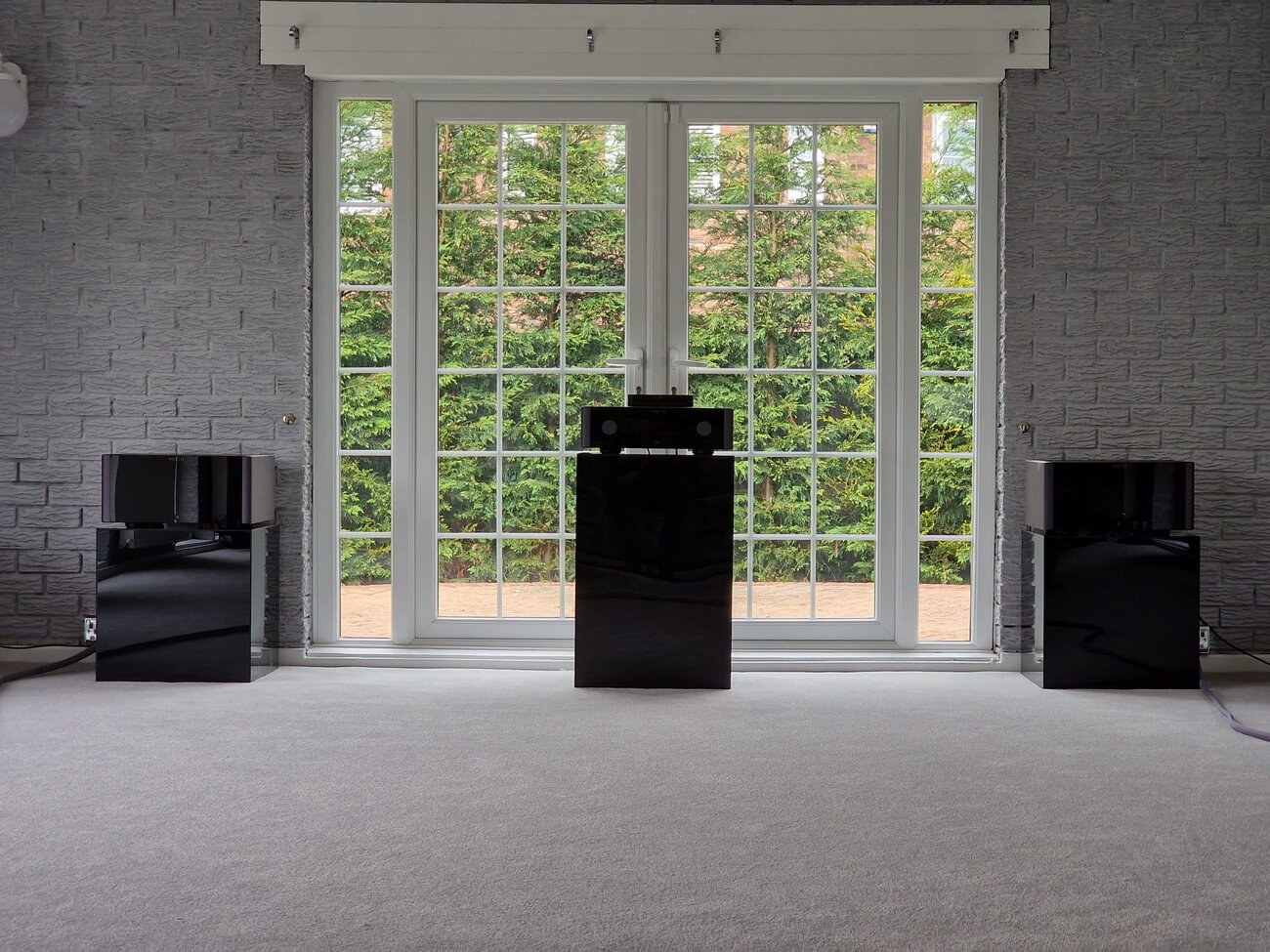
The first warning
My first real pair were a set of well-regarded reference floorstanders. I loved them. Then one night I put on Phil Collins — "In the Air Tonight" — and turned it up for that drum break. And in my room, my pair gave out. My first taste of high-end audio, undone by the most famous fill in pop music.
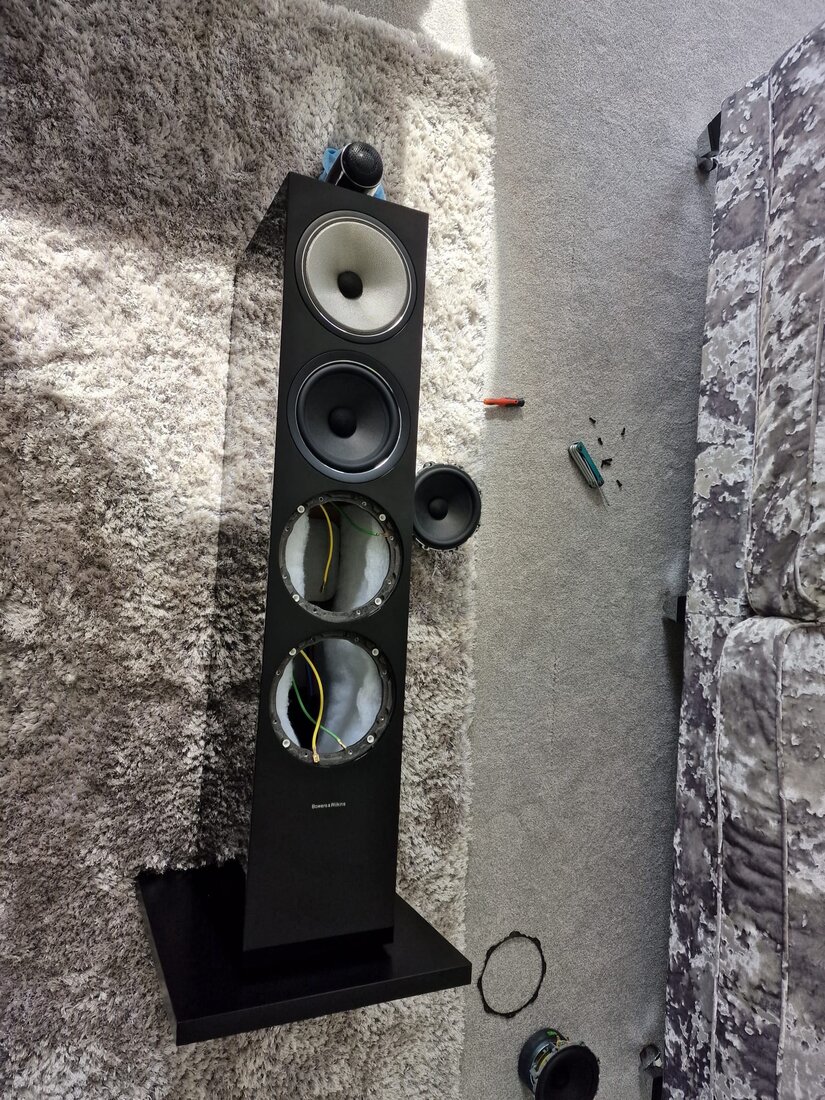
I told myself it was that pair's ceiling, not the idea — so I went further, to the flagship reference that everyone points to. Expensive. Beautiful. Surely this was headroom that couldn't be embarrassed. I added a subwoofer for the bottom octave, then — still chasing it — several more.
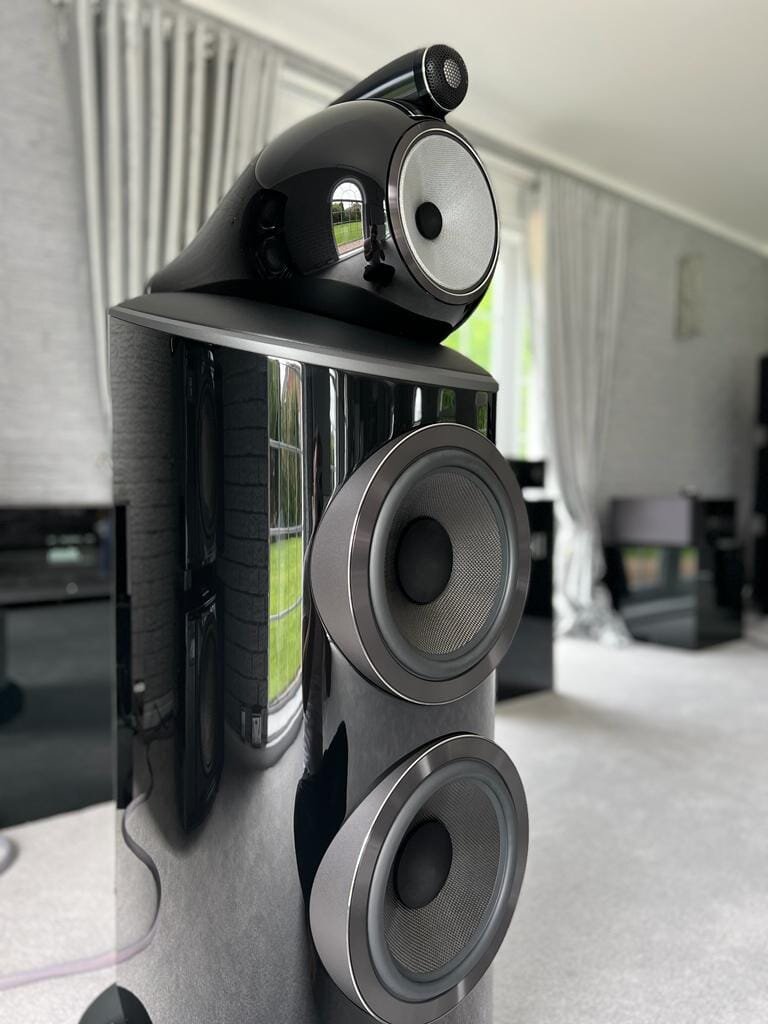
The night it broke
Then the flagships let go too.
Not at their limit — at around sixty percent of it. Nowhere near where I ever expected speakers like that to so much as blink. My dealer replaced the drivers without hesitation, gladly — and, in my case, couldn't explain why. Neither could I.
The honest truth is that it may be that my system delivered more power to them than it ever should have. But every part of it — amplification, speakers and subwoofers — had been specified together, by the same supplier, to work in harmony. On paper, a perfectly matched system. In my room, twice, it gave out well inside what I'd asked of it.
So let me be plain: I love those speakers, and I think their maker does a superb job. This was never me casting doubt over anyone. It simply wasn't a fit for me — and my personal experience happened to be a personal disaster. But it lit a fire. From that night on I was afraid to turn my own system up, and that is no way to live with music.
A speaker you daren't push isn't a speaker you own.
The accidental lesson
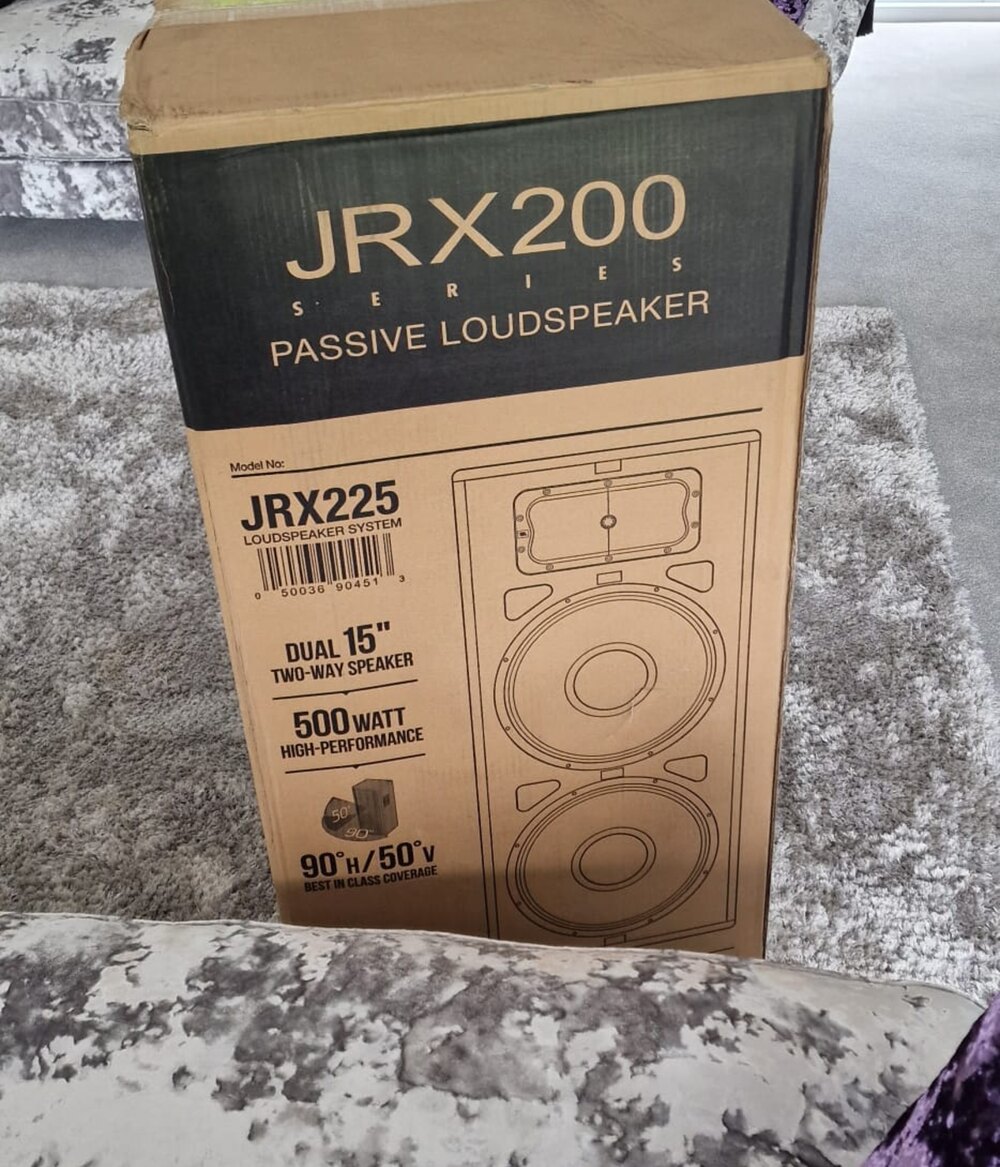
Somewhere in the middle of all this, almost on a whim, I picked up a pair of 500-watt dual-15 PA cabinets — the kind built for a stage, not a listening room. Were they clean and crisp like the reference pair? Not remotely. Set beside them they were muffled, coarse, unrefined. But at volume — my God, did they kick.
And in that moment something landed. I finally understood what I'd been chasing. I didn't just want clarity, and I didn't just want the ability to play loud without fear. I wanted both at once — a delicate samurai with deadly force — with a deep, physical kick underneath whenever the music demanded it. Through those crude boxes, classical music was sublime and the bass was formidable. That should have been what the reference system gave me; instead it was what I'd spent all this money searching for, and I'd stumbled on it in the last place I'd ever have looked. That was the brief. That was the speaker I set out to build.
2023 — by hand, no machines
That was the turn. But I didn't rush out and buy a workshop full of machinery. Back in 2023, I first wanted to know whether my idea even held up. So I designed my first cabinet the old way — a compass, a pencil and a sheet of MDF on the kitchen worktop — and cut it with nothing more than a saw and a hand router.
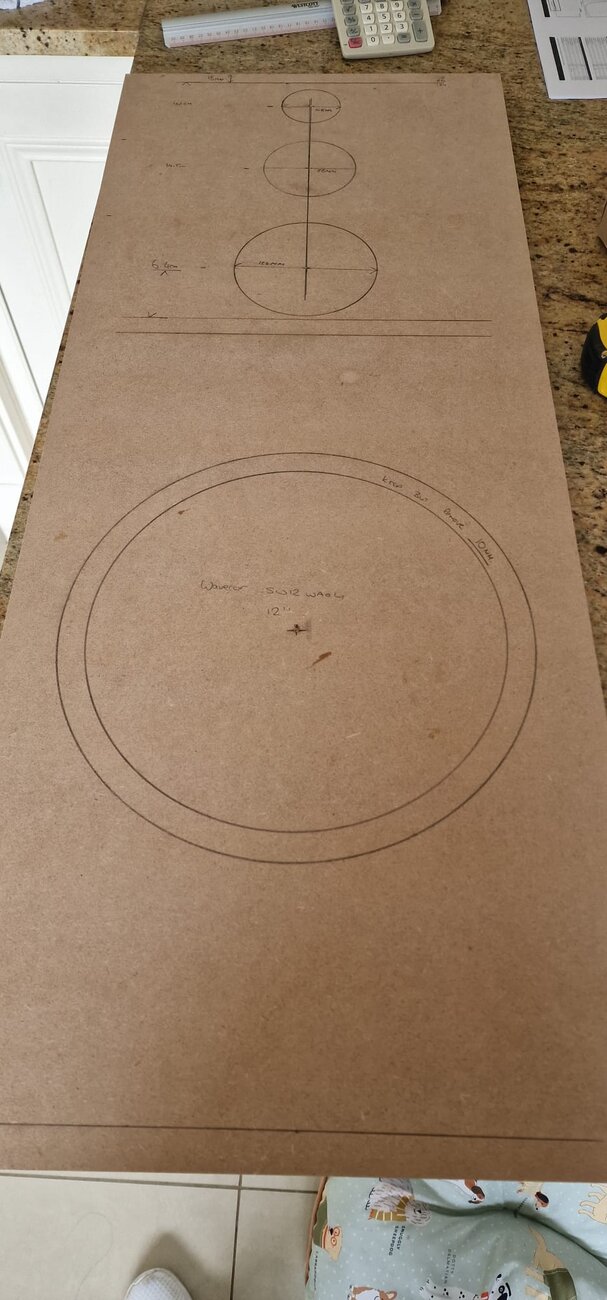
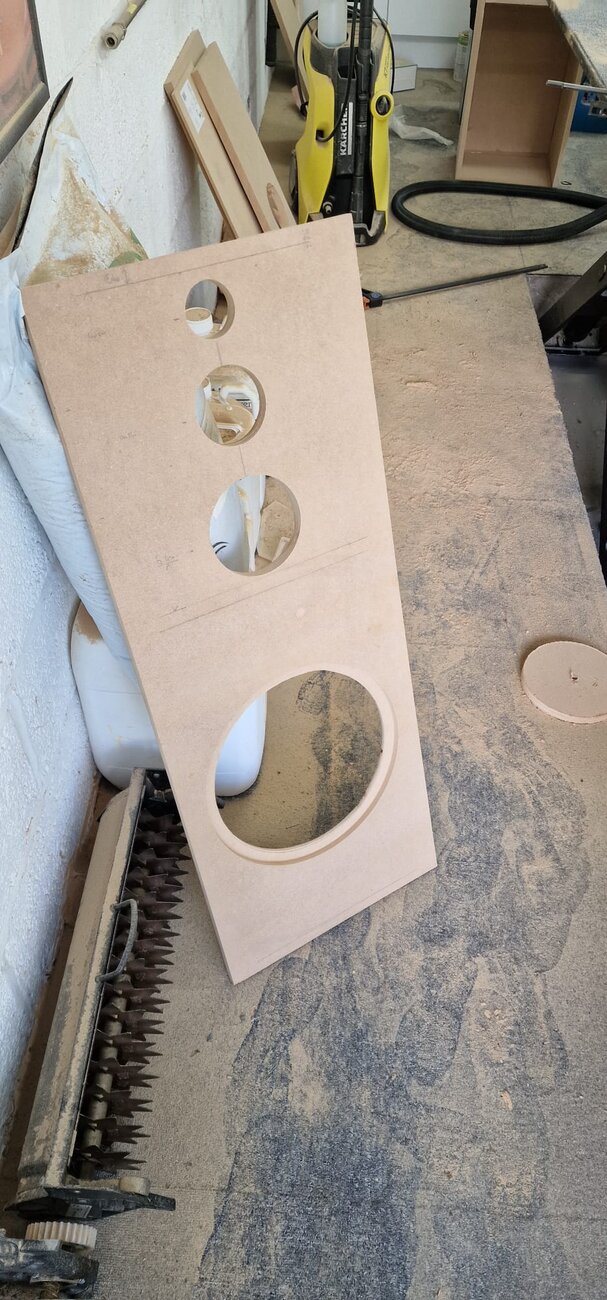
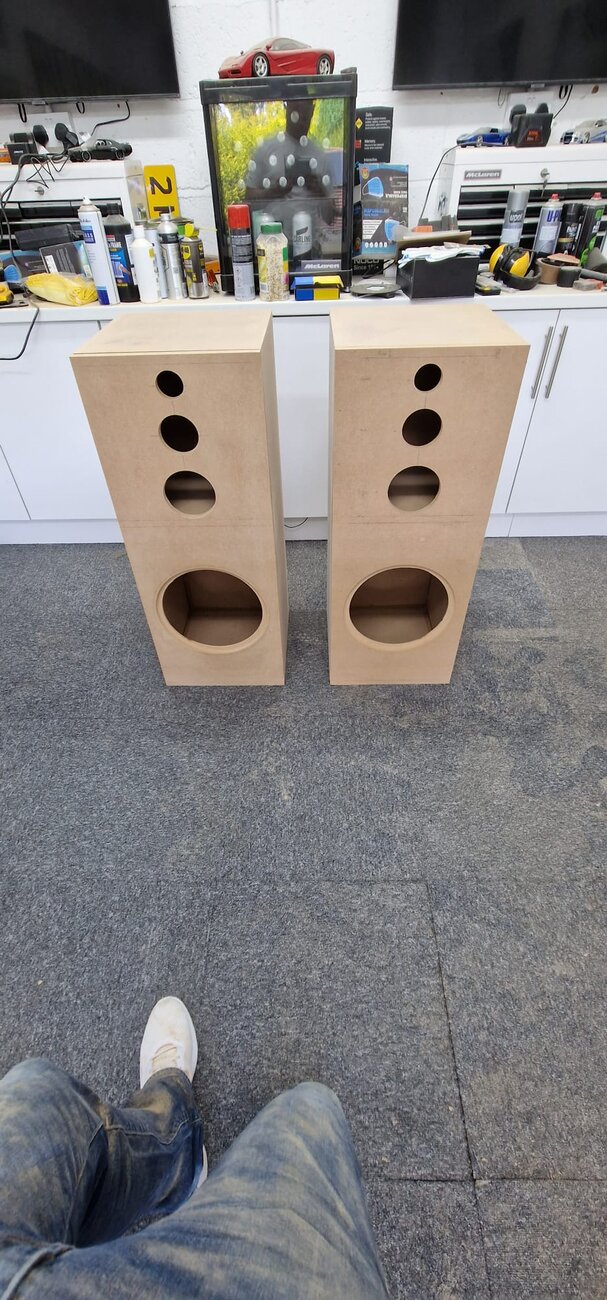
Marked out by hand · cut with a saw and router · my first two cabinets — 2023.
They were rough. But they told me something the spec sheets couldn't: the idea worked. It was worth doing properly.
Trust nothing, measure everything
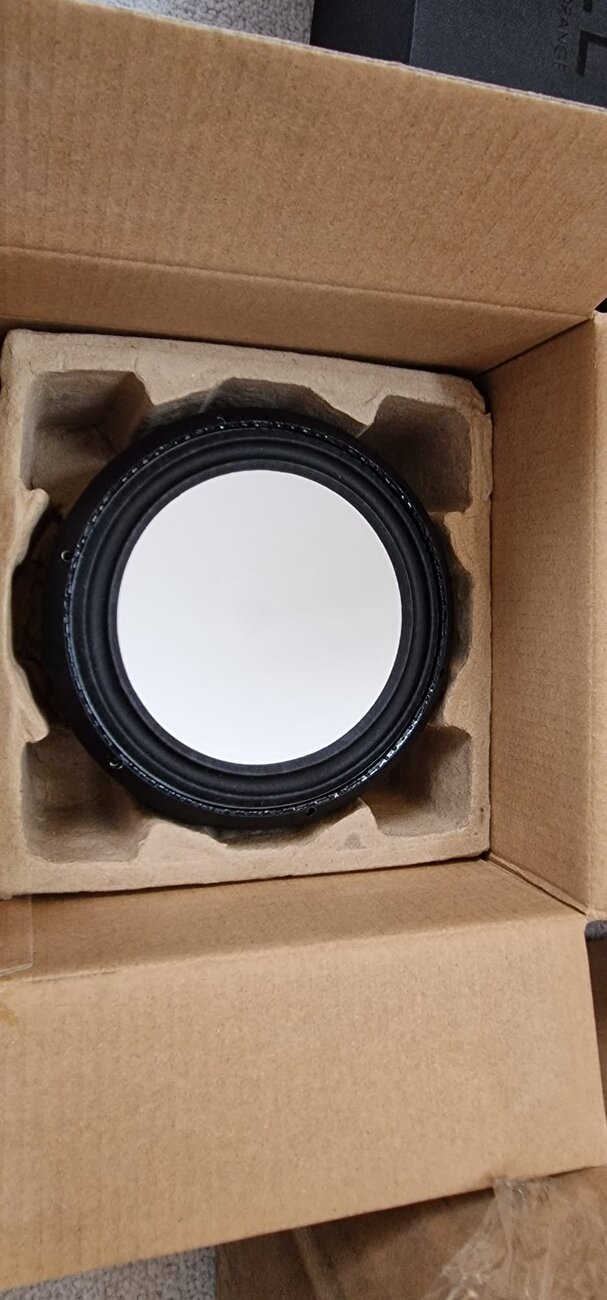
So I started sourcing drivers and testing them — not on faith, but against exactly what they'd been promised to do. Some delivered. Some didn't. That was the lesson that became the whole company: measure it, don't take anyone's word for it.
The graft
None of it was smooth. There were dealers who wouldn't deal with me because I was too small. Amplifier suppliers who simply wouldn't supply. Endless design hours, modelling, calculations, a redesign, and another. At every turn there was a wall — and every time, we kept going, found the solution, and then found the next one. Perfecting as we went.
The machine
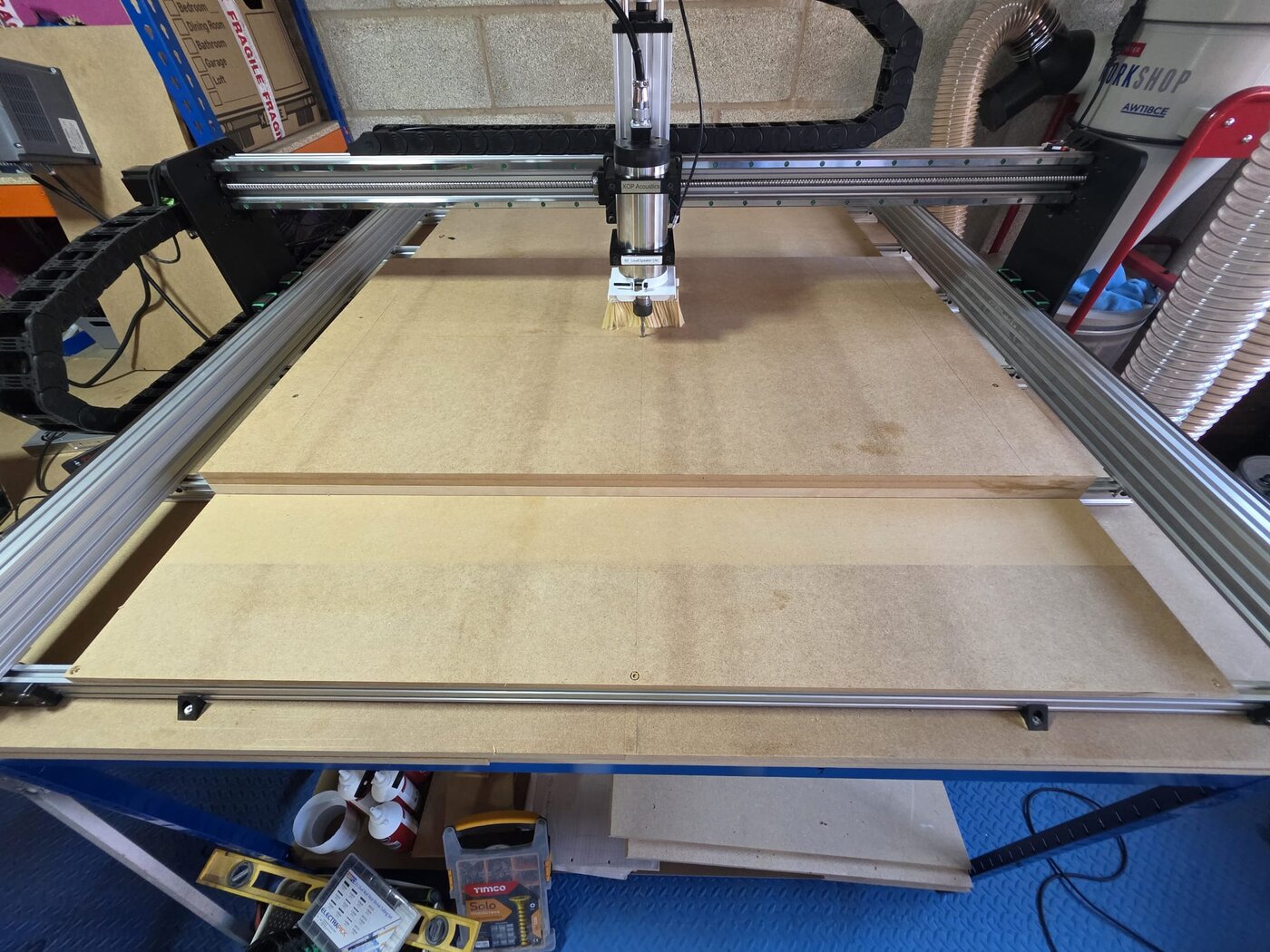
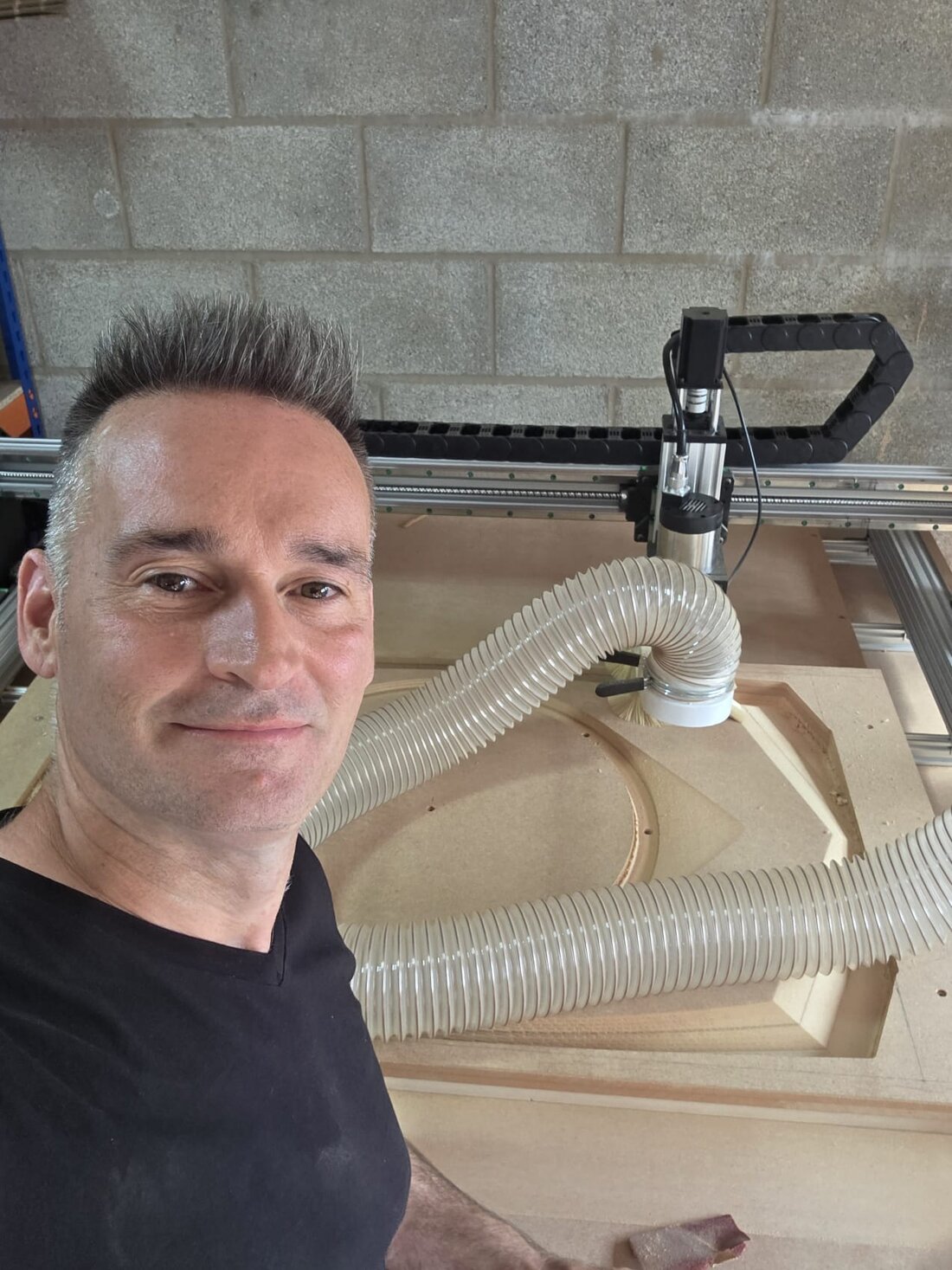
When the concept had earned it, I built the tool to do it justice: a 1.5-metre CNC — supplied in kit form and built by hand for the job, badged with our own name. No factory. No contract line. Just a machine, a workshop, and a stubborn refusal to accept a speaker I couldn't trust at full tilt.
Proof
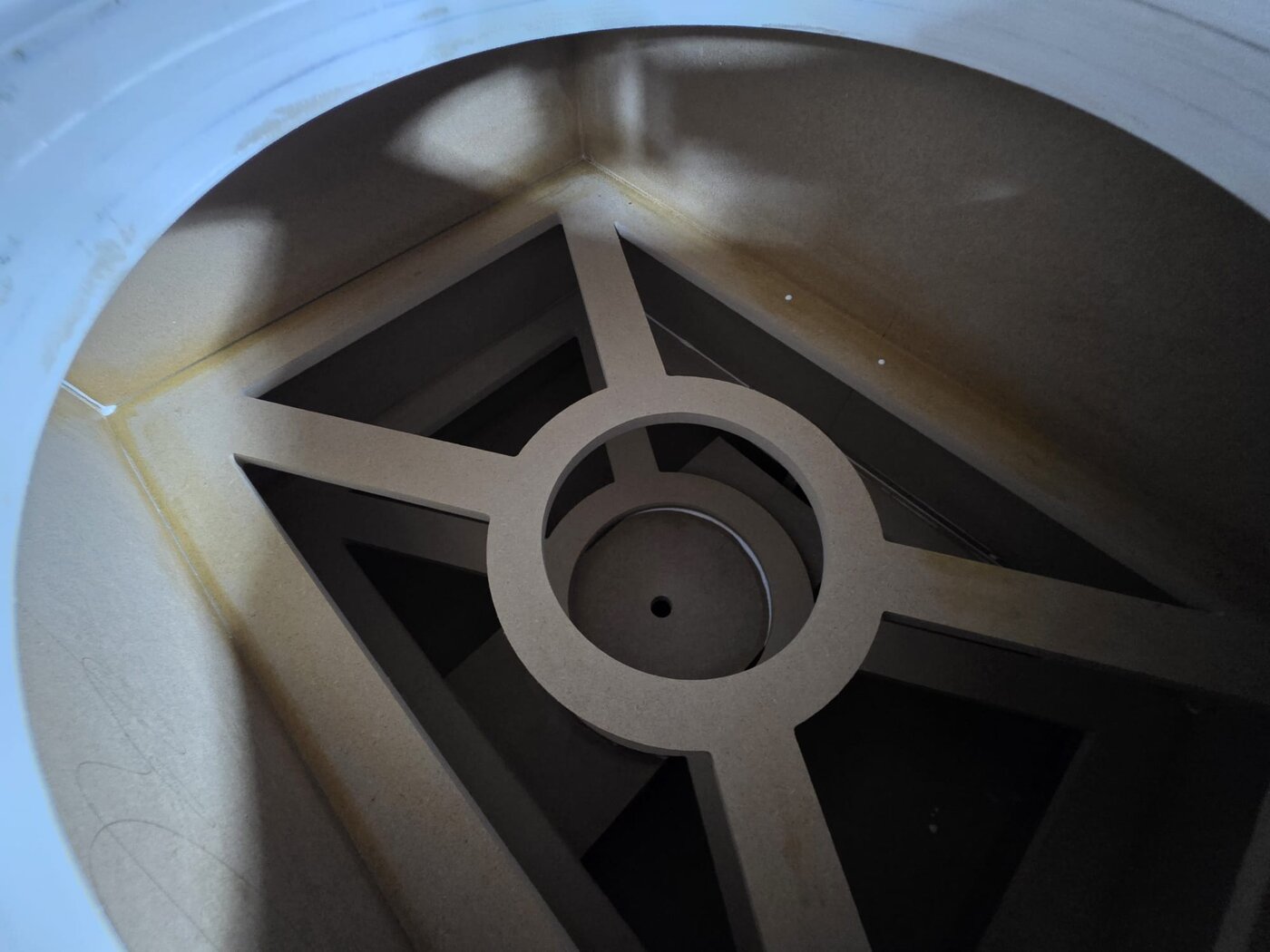
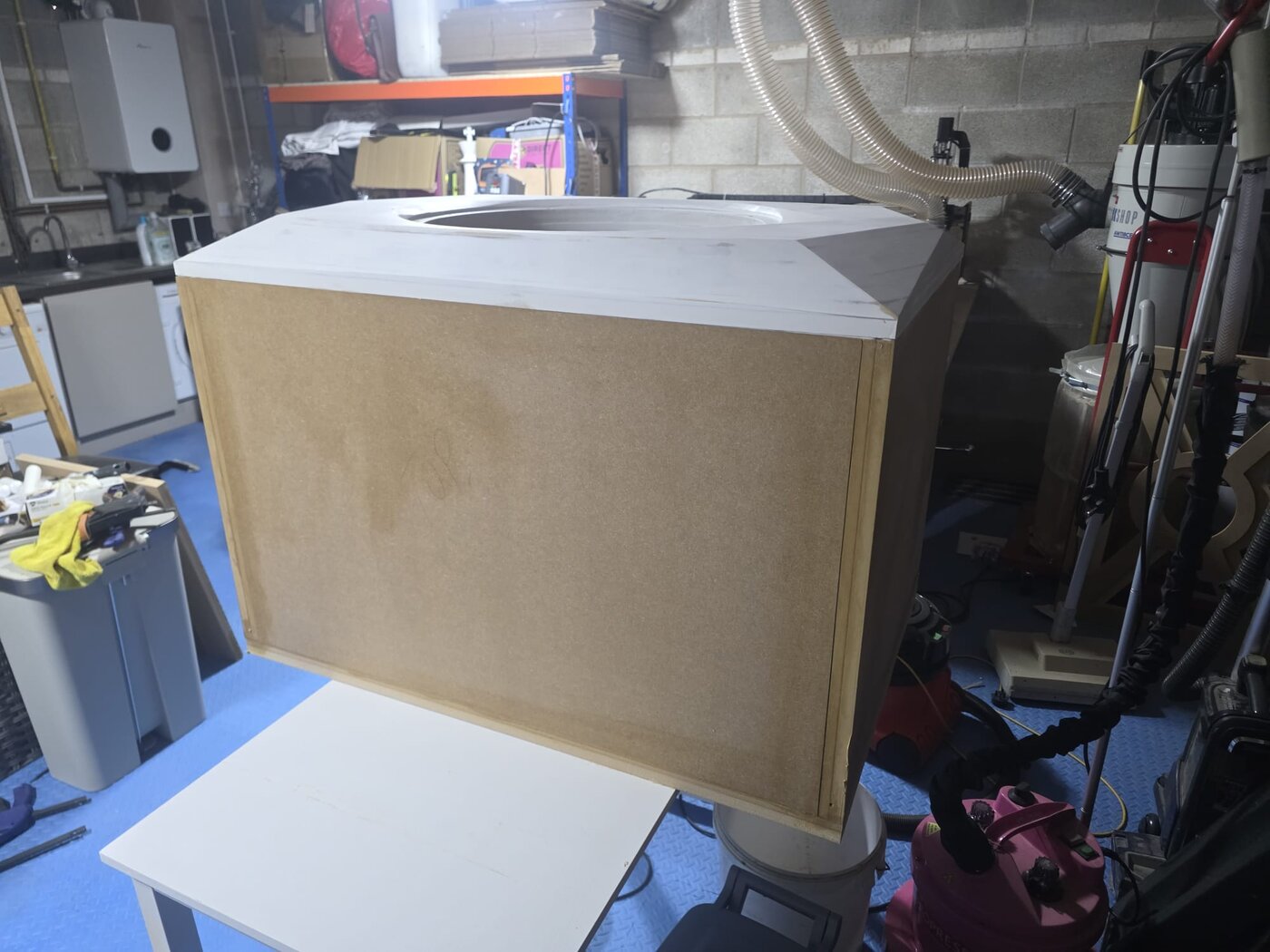
The first real cabinet came off that machine to see whether it all held together. It did. Every panel measured. Braced to its core so it wouldn't flinch. And that is what XOP is: loudspeakers built to be driven to the edge — past the point where my own reference once failed me — without a moment's fear. Designed from first principles, built with the best specialist talent in Britain, measured in the open, and finished by hand in Staffordshire.
— Mark Poxton
Founder · XOP Acoustics · Staffordshire
A note, in fairness: this is my own account of my personal experience with my own equipment, in my own home. It is not a criticism of any product — if anything, the cause may have been how much power my system delivered, rather than the speakers themselves, which I hold in the highest regard. Every room, system and setup is different, and others' experiences will differ from mine. The equipment I owned opened the door to all of this and set me on the path.